
Where and when upgrading to a smart electrical panel is … smart
COURTESY PHOTO.
By Justin R. Wolf
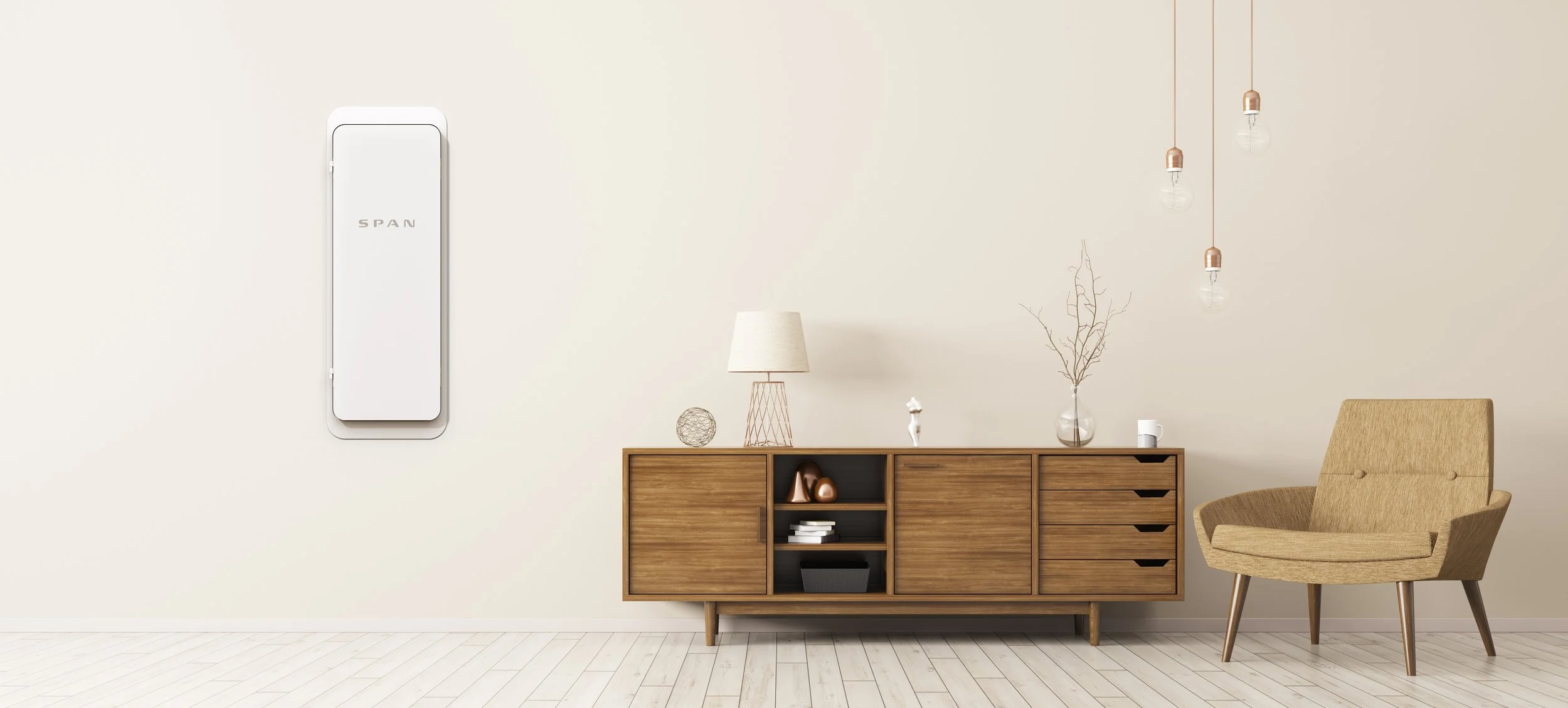
A SMART ELECTRICAL panel in your home can do many things a standard circuit panel cannot. For starters, these ultramodern devices include an intuitive load management system that enables homeowners to balance and prioritize when certain high-power appliances draw energy—be it a heat pump, electric oven, EV charger or some other device that isn’t continuously running. This practice of “load shedding” enables homeowners to add new electric equipment to their home’s load without requiring expensive service upgrades. In addition, the real-time data that smart panels gather can assist homeowners in making further efficiency improvements. However, as with most every home improvement, there are several factors to consider.
Some brands for smart electrical panels available today include the SPAN® Panel, Lumin, Leviton®, and Schneider Home Pulse. They can range from around $3,000 to $10,000 for the equipment and installation combined.
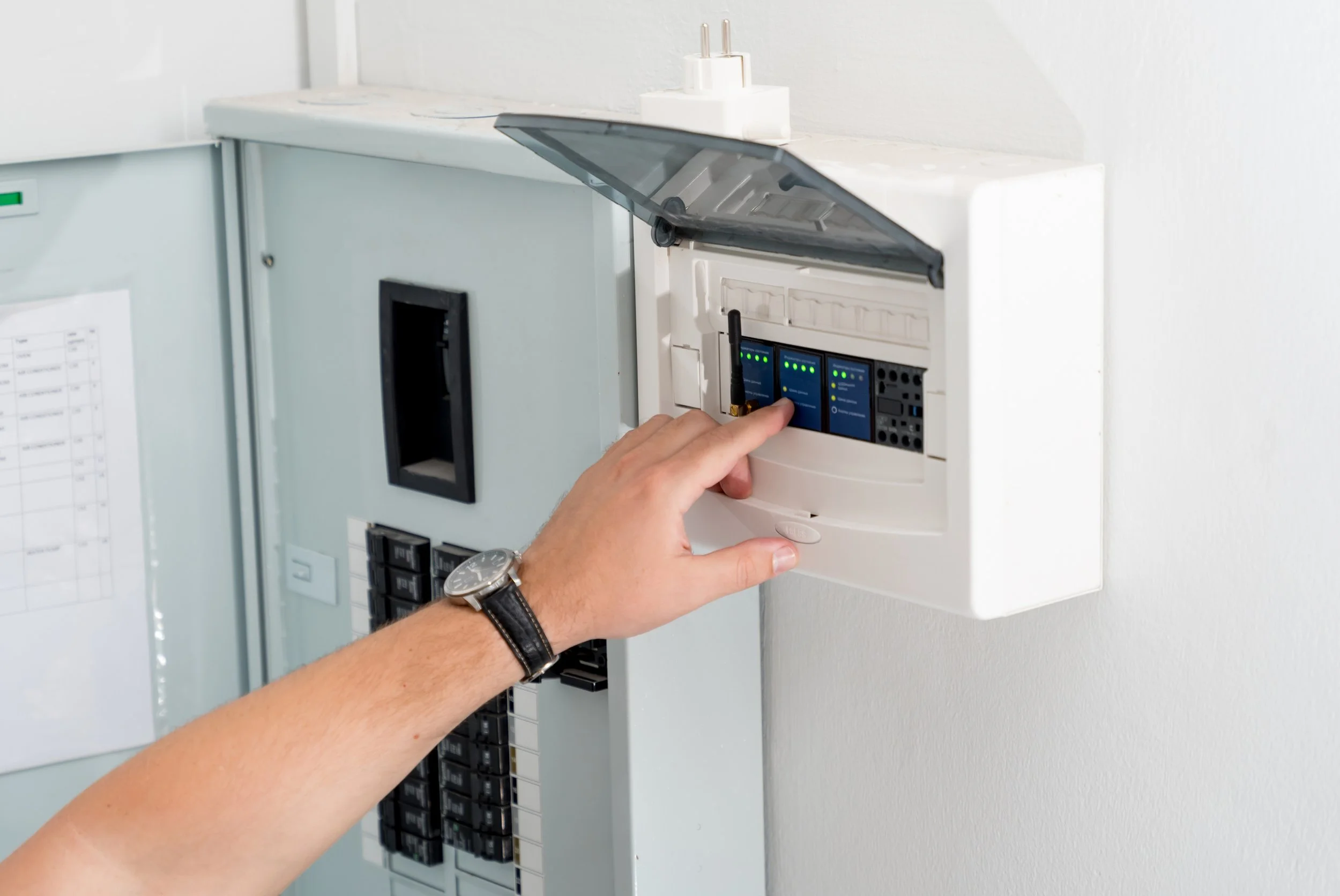
Architect and Pretty Good House co-author Emily Mottram recently installed a SPAN panel in her Thomaston home, a 2,400-square-foot detached house built in the 1970s. “I decided to get one for my house so that I can test it before I tell other people that’s what they should do,” she says. “We were right at the edge with our existing panel in terms of space and power usage.” She replaced her home’s traditional 30-slot panel with a 48-slot SPAN (the company also has models with 40 slots) to have “better control” over a home system that includes an EV and rooftop solar.
SPAN markets their device as a whole-home upgrade that can save homeowners 5-15% a year in energy bills and give them greater control over their energy usage, since every circuit on the panel is controllable through its app.
Mottram says she’s impressed with the SPAN’s built-in flexibility and intuitiveness, which can be especially useful for homeowners with some form of energy storage because critical loads can be better managed. And in the rare but increasing instances where homeowners upgrade to a 400-amp (!) service panel (think large, fully electrified homes, two EVs in the garage, maybe a hot tub, and a bunch of integrated smart devices), a smart panel can do the important work of ensuring that home doesn’t overwhelm the grid.
Another factor to consider is that Maine—like a handful of other states—doesn’t have standardized time of use (TOU) plans, with peak and off-peak hours and variable electricity pricing based on time of day. Where TOU plans apply, a smart panel can schedule high-energy tasks during off-peak hours, automatically adjust thermostat settings, and perform other intuitive measures to reduce costs. But in the Pine Tree State, whether demand is high or low, the price stays the same. “It’s kind of a tough sell,” says Pat Coon, co-founder of Spark Applied Efficiency, based in South Portland. “If you have a 100-amp panel and you’re running out of amperage, putting in a smart panel is one option. You can also upgrade to 200 amps. The first option involves more technology. There’s more to understand and more stuff that can break.”
Most people go with more power and fewer smart devices, he says.
Nick Moore, a consultant with Scarborough-based Dave’s World, agrees. “In a lot of cases, a simple upgrade to 200 amps is less risk,” he says. “But it’s not always that simple.”
As Moore points out, any energy savings will be affected by other “site-specific details” that any good contractor should account for, starting with the location of public utilities. He recalls a recent visit to a home with various electric appliances and a newly installed heat pump water heater. The house had an existing 100-amp panel serviced by a substation buried on the other side of their tar driveway. A quick load calculation determined the home needed at least 125 amps to support the additional load. “The substation is where the liability ends with the [utility provider], so the customer assumes 100% of the cost responsibility to upgrade the wire from the substation into the house, to pay for the excavation, the service upgrade,” Moore says.
In this instance, with power lines buried underground, the “simple upgrade” option is cost prohibitive. A smart panel, however, allows the homeowners to stick with 100 amps. They’ll just need to be savvy with what they choose to power at any given time.
It’s no accident that smart panel upgrades tend to be concentrated in pockets of the state with newer developments that are connected to underground power stations.
“In a lot of these newer communities, from Windham to Wells, it was cheaper for the developer to bury the power lines,” Moore says. “These are homes built on 100-amp service … it’s those types of communities where smart panels are going to become increasingly popular over the course of the next five to 10 years.”
For the time being, weighing the costs of an $8,000+ smart panel against a standard 200-amp service upgrade will keep the former from becoming “a substantial trend,” he says. But the tide is shifting. “The more we push home electrification, things like smart panels will become a priority. The energy we use will be more sustainable and measurable.”

This article appeared in the Spring 2026 edition of Green & Healthy Maine HOMES. Subscribe today!
Find Maine experts that specialize in healthy, efficient homes in the Green Homes Business Directory.