
Control your asthma by controlling indoor asthma triggers
By Christine G. Crocker, Executive Director, Maine Indoor Air Quality Council
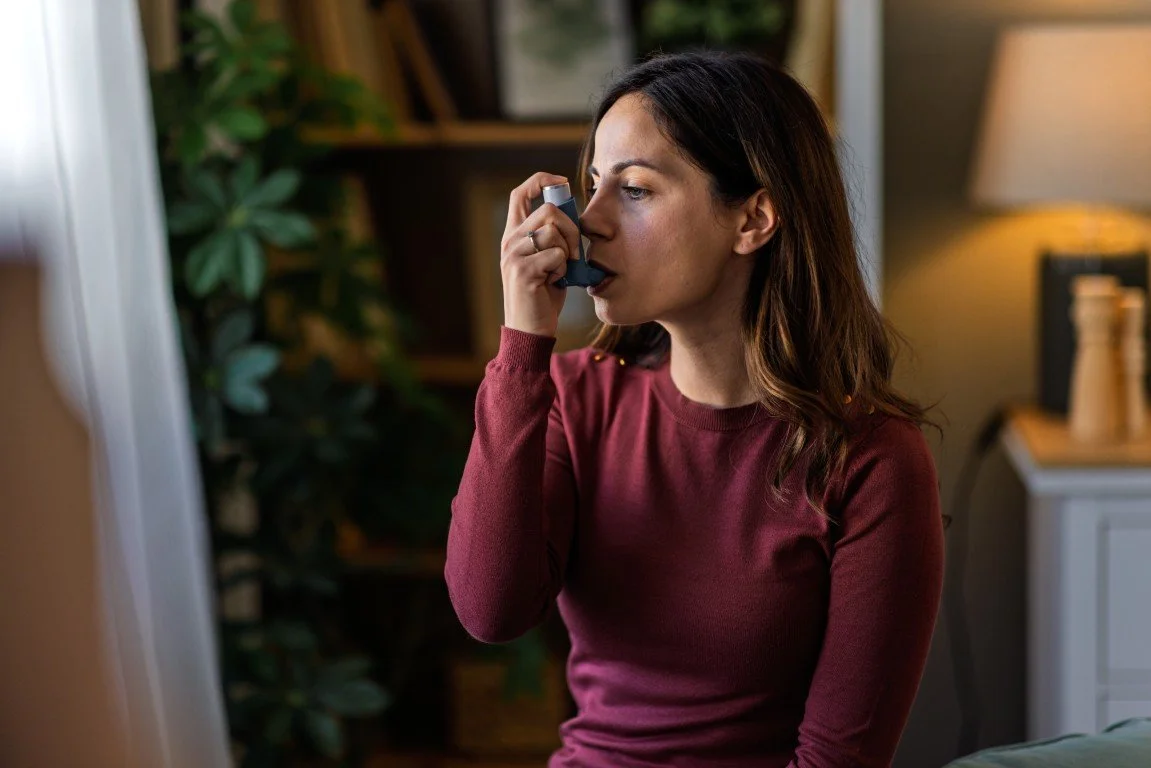
Asthma is a chronic disease that causes swelling and inflammation within the airways as well as increased mucus production and airway constriction, making it difficult to breathe. The Maine Centers for Disease Control and Prevention (Maine CDC) estimates that 161,000 people in Maine are impacted by asthma. Just over 13% of Maine adults have asthma, compared to 9.9% nationally. It isn’t known exactly why Maine has such high asthma rates, although contributing factors might include our cold and wet climate, older housing stock, high pollen levels, high levels of airborne particulates (smog, smoke, and soot) and use of wood heat for heating homes.
Though there is no cure for asthma, it can be controlled through a combination of medical treatment and management of environmental triggers. An asthma trigger is any allergen or irritant that causes a person with asthma to have an asthma attack. Since levels of pollutants and irritants can be higher indoors than outdoors, knowing what your triggers are and how to reduce or remove them from your home is a critical component of asthma management.
Asthma triggers
The following table identifies common asthma triggers and specific strategies that can be used to reduce or remove them from your indoor environment.
-
Where found: Dust mites are microscopic and found in household dust. They thrive in fabrics of any kind such as carpets, mattresses, pillows, upholstered furniture, bedding and stuffed animals.
How to reduce or remove:
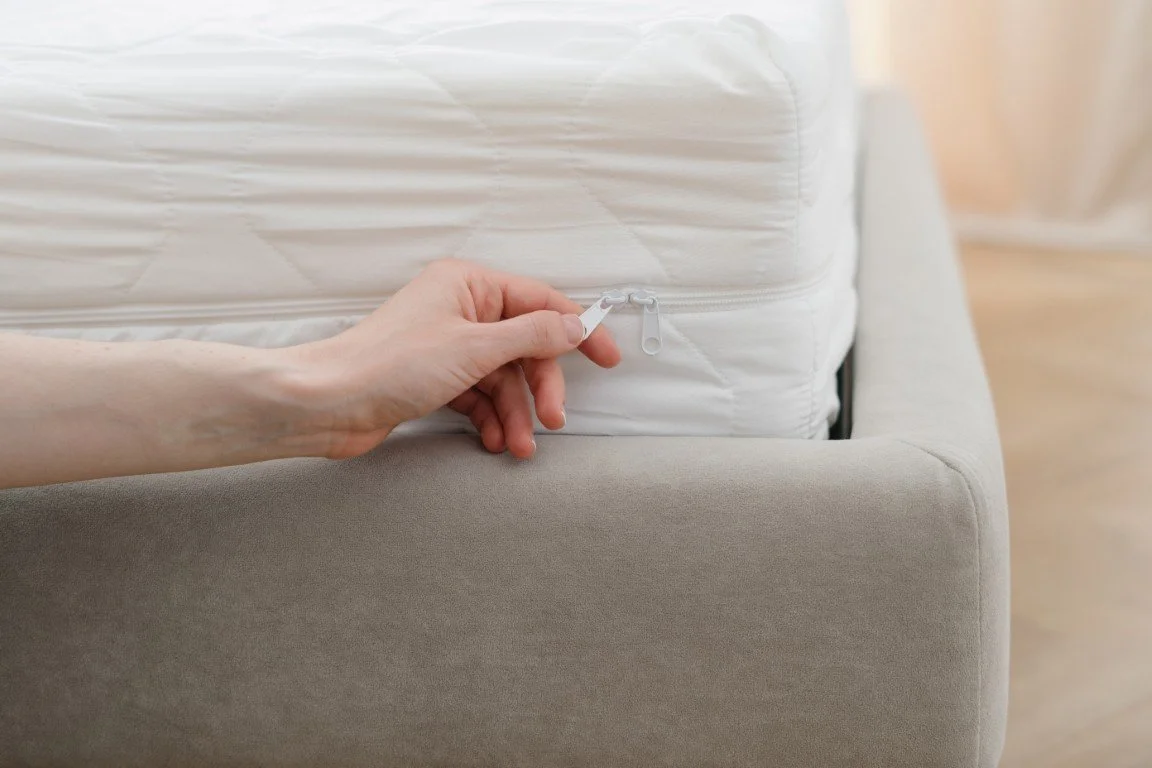
Cover mattresses, box springs, and pillows with allergen-proof, zippered covers.
Wash all bedding at least once a week in hot water.
Remove stuffed animals.
Remove upholstered furniture and fabric-covered items from bedroom.
Vacuum at least once a week with a good quality vacuum.
Improve ventilation.
Stop using humidifiers.
Place filters over heating vents.
Remove carpets, particularly in bedrooms and basements.
Dehumidify if damp.
Add air cleaners.
-
Where found: Animals produce strong allergens (found in their skin flakes and saliva) that can remain in carpets and furnishings. There are no true hypo-allergenic dogs or cats.
How to reduce or remove:
Remove pets from the home
Keep pets out of bedrooms.
Restrict pets to non-carpeted areas.
Remove carpeting and upholstered furniture, especially in bedrooms.
Keep bedroom doors shut.
Provide good ventilation.
Use an air cleaner.
Wash pets regularly.
Groom and brush pets outdoors, if possible.
-
Where found: Molds and fungi are naturally occurring and are found everywhere, both indoors and out. The primary culprit for indoor mold growth is excess moisture. Common indoor sources for molds are basements, bathrooms, kitchens, food storage units, old foam in furniture or pillows, houseplants, and poorly maintained humidifiers, vaporizers and air conditioners.
How to reduce or remove:
Maintain a relative humidity of 30–50%.
Use kitchen and bath fans every time you cook or shower.
Fix all leaks promptly (roof, plumbing, flooding) to prevent mold growth.
Clean humidifiers, air conditioners, and vaporizers frequently.
Remove localized sources: houseplants (dried flowers and Christmas trees may carry mold as well), foam pillows, carpets in bathrooms, kitchens, and basements.
Clean surface mold on walls or windows.
Avoid bleach as it is a significant lung irritant and an EPA-registered pesticide.
-
Where found: Tobacco smoke comes from the burning end of a cigarette, cigar or pipe as well as the exhaled smoke from smokers themselves. Tobacco smoke can trigger asthma and increase the severity of attacks.
How to reduce or remove:
Do not smoke in your home or car.
Do not allow others to smoke in your home or car.
If you rent, rent Smoke-Free Housing.
-
Where found: Cockroaches are widely dispersed around the world. The German cockroach is the most common species found in Maine homes. The source of cockroach allergen seems to be in the body parts, feces or cockroach secretions.
How to reduce or remove:
Aggressive extermination using poison baits, boric acid, or traps to kill cockroaches and rodents.
Avoid sprays and foggers as these can also be asthma triggers. If sprays or foggers must be used, follow label instructions and use ventilation.
Thoroughly clean after extermination to rid the building of dead roaches and their debris.
Block openings into building to prevent roaches and other pests from entering the building.
Store food in airtight containers.
Restrict meals and snacks to one or two areas of the home.
Clean the kitchen (including dishes and open foods) soon after food preparation is completed.
Keep trash in tightly covered containers.
Do not leave pet foods out.
Eliminate free water sources such as leaky pipes that attract roaches and other pests (roaches like moist places).
-
Where found: Pollens are released by plants (trees, grasses, weeds, and other plants) as part of their natural reproductive cycle. Pollens are seasonal: different pollens are present at different times and in varying locations.
How to reduce or remove:
Reduce the amount of pollen that gets indoors, so that the indoor environment can become a safe haven during times of heavy outdoor pollen.
Keep windows and doors shut during pollen season. (Pollens come in with air!)
During warm weather, use an air conditioner to both cool the air and filter out pollens. (The same advice applies to your car; keep windows rolled up and the air conditioner on.)
If you have severe allergies, wear a dust mask outdoors for protection when the pollen is high.
Know your pollens: Some pollens peak at mid-morning and others in the afternoon.
Do not dry clothes outside where pollen can stick to them.
Shower in the evening to reduce pollens on your hair and body and to reduce nighttime allergy symptoms.
Stay inside on dry windy days when pollen is high.
Wear glasses/sunglasses to reduce pollen contact to eyes.
-
Where found: VOCs are organic chemicals that evaporate into the air at room temperature, where people can breathe them in. Common VOCs include tobacco smoke, combustion pollutants, wood stoves, anything with a scent (e.g., perfumes, cleaning products air fresheners, incense, paints/varnishes, glues).
How to reduce or remove:
Make sure you provide plenty of fresh air when using high VOC products.
Throw away unused or little-used containers safely; buy in quantities that you will use soon.
Keep out of reach of children and pets.
Use household products according to the manufacturer’s directions.
Never mix household care products unless directed on the label.
Seek out alternative products with fewer VOCs.
-
Where found: High levels of ozone, smoke and other fine airborne particles are of particular concern in Maine. Homes and other buildings can draw in outdoor pollutants through heating and ventilation systems, open windows, and minor air pathways in the building.
How to reduce or remove:
Monitor daily air quality forecasts. (The Maine Department of Environmental Protection publishes daily forecasts.)
Stay indoors as much as possible when the air quality index is high.
Keep windows and doors shut as much as possible during times of the day when outdoor pollutants peak (such as the afternoon and evening).
Do not dry clothes outside where pollens and other fine particles can stick to them.
Shower in the evening to reduce outdoor contaminants on your hair and body and minimize nighttime exposure.
Resources
The Maine CDC website has extensive information about asthma, asthma management, and asthma prevention. The site contains links to:
Data and reports on asthma prevalence, hospitalizations, and the impact/burden of asthma in Maine
Basic fact sheets
Sample action management plans
Information and links to programs for asthma management in homes, schools and workplaces
Links to regional partners
The U.S. Environmental Protection Agency as an extensive website containing both basic inforhmation about asthma in a variety of languages, as well as links to extensive research on asthma and asthma management and prevention, and even a video on how to make a DIY air cleaner.
For more information about indoor air quality in your home, visit the Maine Indoor Air Council’s website at maineindoorair.org.

This article appeared in the Fall 2025 edition of Green & Healthy Maine HOMES. Subscribe today!
Find Maine experts that specialize in healthy, efficient homes in the Green Homes Business Directory.