
Vitamin D and Low E(lectric)
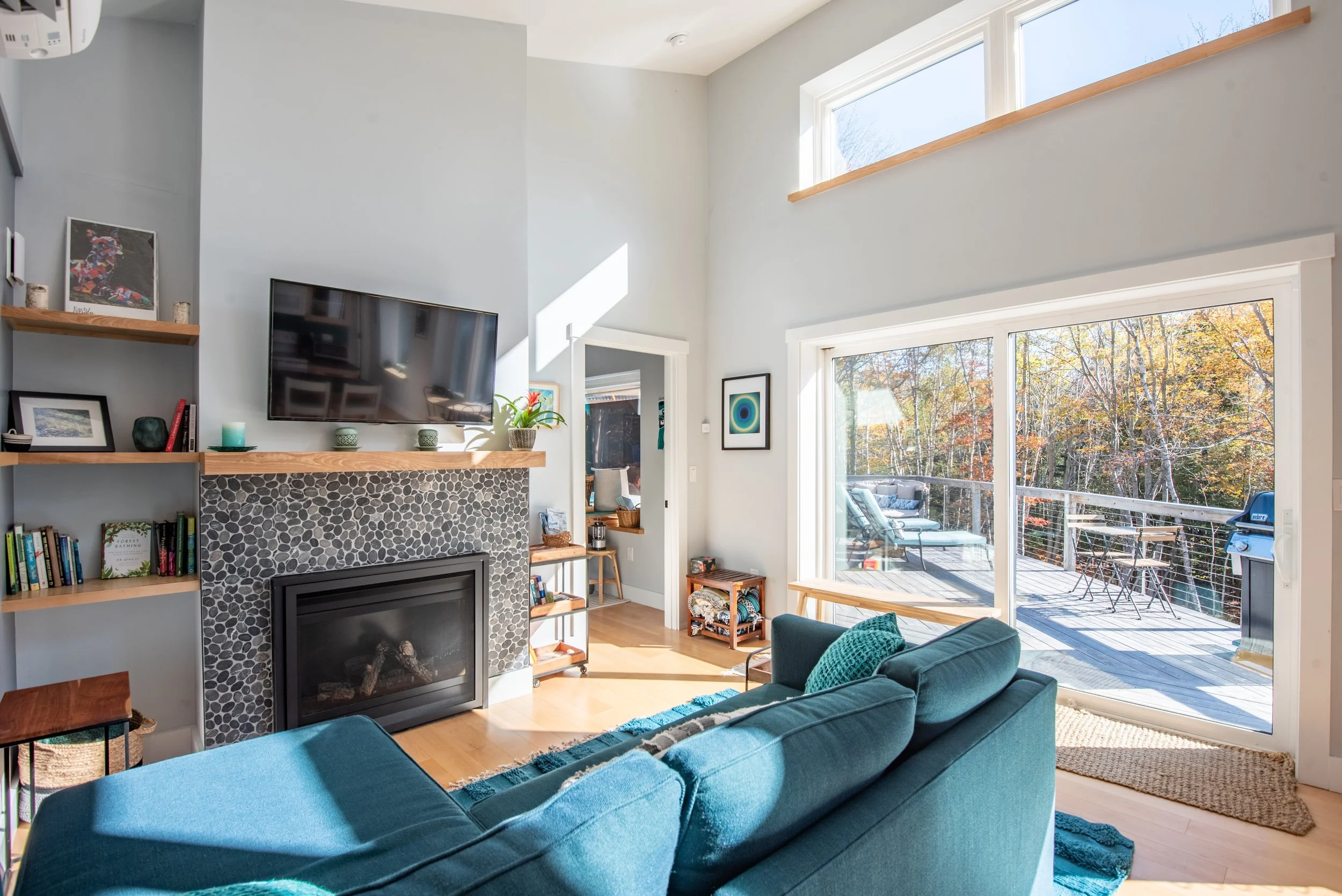
PHOTO: CHRIS SMITH
BUILDING SCIENCE 101
The importance of daylighting for your health, your comfort and your bottom line.
By Parlin Meyer
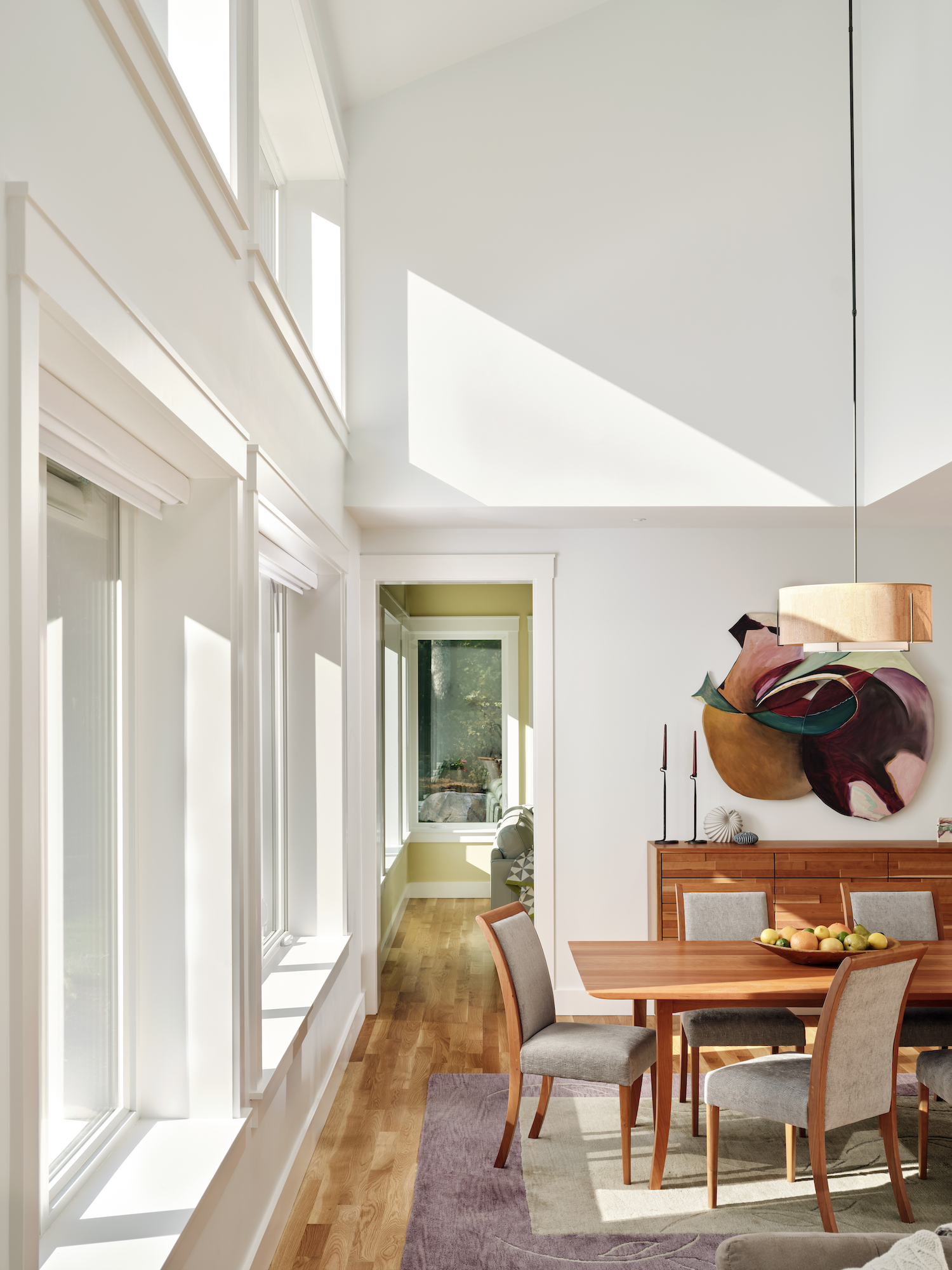
PHOTO: DAN CUTRONA
As residential electricity rates continue to outpace inflation, the design of high-performance homes has fully shifted from a forward-thinking strategy to an economic and environmental necessity. Central to this shift is the deliberate use of daylighting, which transforms a house from a passive shelter into an active energy asset and hygge haven.
Daylighting—the controlled admission of natural light to illuminate and condition interior spaces—is a cornerstone of sustainable design. Solar radiant heat reduces a home’s total energy costs, and natural light provides health benefits and reduces the reliance on electricity for lighting.
Let’s take a look at some of the numbers.
HARVESTING SOLAR GAINS FOR YOUR HEALTH AND COMFORT
As we all know, sunlight does us good. In the context of the daily rhythms within our homes, the value of ample sun is hard to dispute. For example, exposure to natural light regulates circadian rhythms, contributing to an overall sense of balance and well-being while also improving sleep quality. As reported in Retrofit magazine, daylight has been shown to reduce headaches by 63% and eyestrain by 51% compared to artificial lighting. These factors alone make a sound argument for thoughtfully incorporating daylight in architectural design—and the economics really bring it home (so to speak).
THE ECONOMIC POWER OF DAYLIGHTING
With regard to economics, let’s first consider the electric bill. As reported by the Department of Energy National Renewable Energy Laboratory, optimized daylighting can offset up to 75% of the energy needed for electric lighting. Also, because some types of electric lights generate waste heat, daylighting can reduce a home’s cooling burden by 10–20%. Then, there’s the impact on the heating needs for the home. Passive solar heating is one of the most cost-effective ways to offset heat loads; the American Solar Energy Society reports that passive solar heating can reduce heating bills by 30–70% depending on the climate zone. To further the reach of this passive solar level-up, high-performance homes can use materials such as concrete or tile to act as “thermal mass,” absorbing solar heat during the day and releasing it slowly at night to maintain stable indoor temperatures.
DAYLIGHT FOR THE LONG RUN
One often-overlooked benefit of daylighting is how it can enhance both the resilience and future value of a home. Homes designed with a focus on solar gain are inherently more resilient during power outages, as they can maintain comfortable temperatures without active mechanical systems. And in the context of resale, Freddie Mac economists found that homes prioritizing natural light and energy efficiency command a premium, often selling 13–20% faster and for 2–8% more (or greater, in certain markets) than standard homes. That daylighting helps a home stand up to both environmental and economic climate extremes only furthers the case for its merits.
STRATEGIC INTEGRATION TO MAXIMIZE BENEFITS OF DAYLIGHTING
The benefits of daylighting are clear, so let’s outline the critical strategies for maximizing them. Success in high-performance design requires a “balance of benefits” to avoid common pitfalls like glare or seasonal overheating.
ORIENTATION: For optimal solar collection, homes should ideally be oriented within 30 degrees of true south.
SMART SHADING: Use fixed roof overhangs or deciduous landscaping to block high summer sun while allowing low angle winter sun to penetrate the home.
HIGH-PERFORMANCE GLAZING: Modern triple-pane windows with certain low-E coatings can cut energy loss by 30–50% while allowing for large, sun-facing glass areas.
PHOTO: CHRIS SMITH
PUTTING THIS INFORMATION INTO PRACTICE
In short, the key factors to evaluate when selecting your windows break down into five easy steps—from identifying what you need based on where you live to refining the specifics per your site and personal goals.
IDENTIFY YOUR PRIORITY: Put simply, determine if your biggest energy expense is heating (cold climate) or cooling (hot climate).
SELECT GLAZING LAYERS:
• Triple-Pane: Essential for Northern climates to reach U-values below 0.20.
• Double-Pane: Often sufficient for Southern climates if paired with high-end solar control coatings.
WHEN POSSIBLE OR REALISTIC, REFINE BY ORIENTATION:
• South-facing windows in cold climates should have a higher SHGC to leverage passive solar heating.
• West-facing windows in any climate should have the lowest possible SHGC to prevent late-afternoon overheating. Deep overhangs on western facades can also mitigate overheating risks.
VERIFY EDGE PERFORMANCE: Ensure the window uses warm-edge spacers (look for a low Psi-value) to prevent condensation and heat loss at the glass perimeter.
CHECK PRESENT-DAY INCENTIVE STANDARDS: If there are tax credits available in your area, verify that your windows meet the requirements outlined by the tax credit program.
With a thoughtful, strategic approach to orientation, specifications, and spatial planning, daylighting can make a palpable impact on the cost and comfort of your home. In fact, high-performance homes using daylighting strategies can even achieve a state of “positive cash flow” from the first month of ownership, as energy savings significantly exceed any additional mortgage costs incurred by the comparatively small initial costs of high-performance glazing.
Whether you’re building new or renovating, the principles outlined here provide a roadmap to transform sunlight from a passive resource into an active advantage. The technology exists, the economics are proven and the benefits compound year after year. All that’s left is to let the light in!

This article appeared in the Spring 2026 edition of Green & Healthy Maine HOMES. Subscribe today!
Find Maine experts that specialize in healthy, efficient homes in the Green Homes Business Directory.